
Understanding self-harm in teens

Self-harm, or non-suicidal self-injury (NSSI), is a deeply concerning behaviour that involves deliberately causing physical harm to oneself without suicidal intent. Alarmingly, it is becoming more common among teenagers and young adults and is often a reflection of deeper emotional distress. While it can lead to serious physical and psychological consequences, research shows that early intervention can significantly reduce its severity and duration.
Because self-harm is typically complex and rooted in substantial emotional challenges, we cannot stress enough the importance of seeking professional support from a qualified clinical psychologist. At NextGen Psychology, we have extensive experience in this area and can help young people develop healthier ways to manage their emotions. This article offers general guidance on understanding self-harm, its possible causes and how to respond with empathy and support. However, if you suspect your child is engaging in this behaviour, please seek professional assistance immediately.
This is a deeply sensitive and multifaceted issue, and the information provided here is meant to offer a brief and general introduction to the behaviour.
What are common self-harm behaviours, and why do teens turn to them?
Self-harm includes various actions, such as cutting, scratching, burning, hitting, hair pulling, ingesting harmful substances, or carving words or symbols into the skin. Such activities often affect areas like the arms, wrists, thighs and torso, which are commonly hidden to avoid detection.
Teens experiencing intense feelings such as anger, sadness, or frustration may turn to self-harm as a way to manage their distress. This behaviour can provide a brief physical release, redirecting their focus from inner struggles. For some, it becomes a coping tool when they feel unable to articulate what they’re going through.
In other cases, self-harm arises from a desire to reclaim a sense of control. Situations like family conflict, academic stress or personal challenges can create a sense of powerlessness. By inflicting physical pain, individuals may feel they are exerting control over something tangible, even if the act itself is harmful.
External triggers, such as bullying, social rejection, major life disruptions like trauma or abuse and experiences of loss, can all be contributing factors. These events often leave young people feeling inadequate or isolated. Additionally, underlying mental health conditions, such as depression, anxiety, borderline personality disorder or trauma-related disorders, can be a cause for self-harming behaviour.
Recognising the early signs
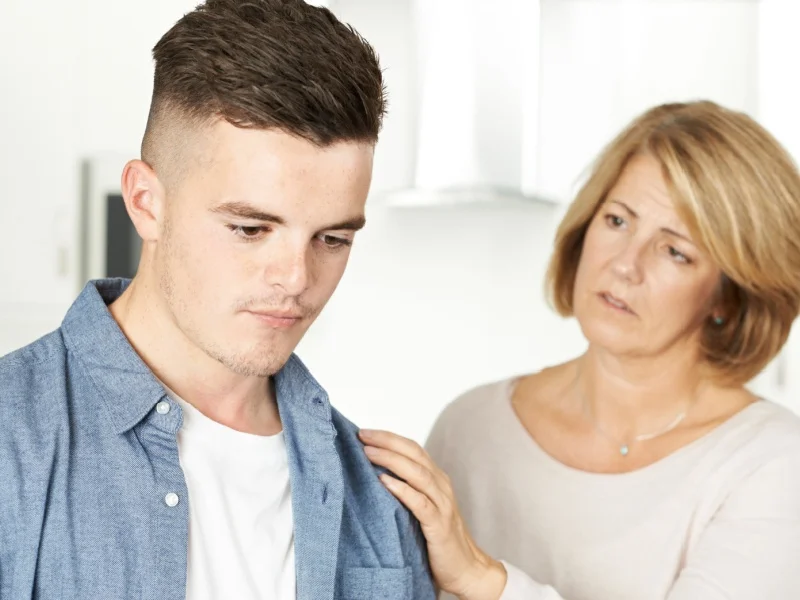
Parents naturally worry about self-harm and often seek to understand the signs they should be aware of. Unexplained cuts, bruises, burns or scars are among the most visible indicators, typically appearing on areas such as the arms, legs or torso. Teens who self-harm may also wear long sleeves or pants, even in warmer weather, to conceal injuries and avoid detection.
Self-harming may also result in behavioural changes, including increased isolation, secretive tendencies and withdrawal from social activities and family interactions. Spending extended periods alone in places like the bathroom or their bedroom can also be a reason for concern.
Subtle yet telling emotional cues in a teen’s conversations, writing, music or online presence may include recurring themes of despair, guilt or sadness. These expressions often reflect the deeper emotional struggles that contribute to self-harming behaviours.
How to respond with empathy and support
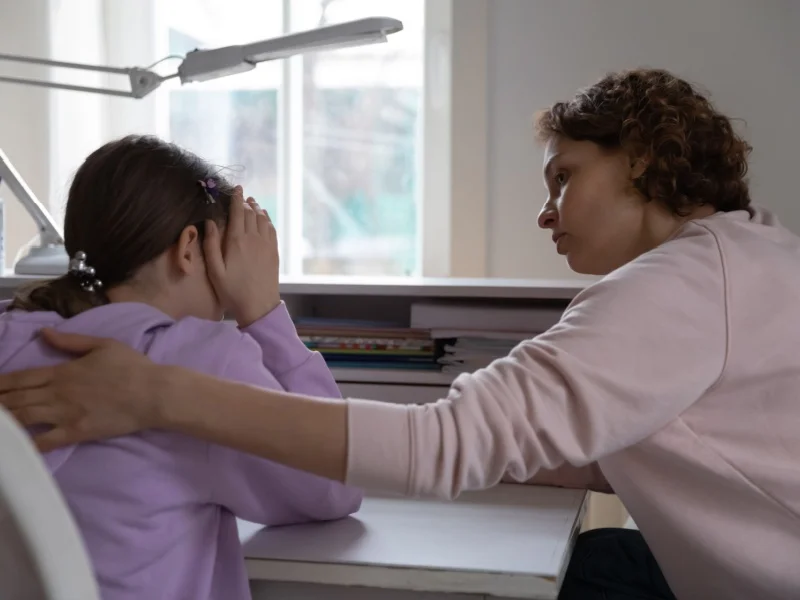
As parents, worrying is something we naturally do, even with small struggles. But learning your child is self-harming can feel truly devastating. It’s important to approach the situation with warmth and gentleness. Avoid reacting with anger or shock, as this can deepen feelings of shame and push them further away. Instead, stay calm and offer a supportive presence. Demanding immediate explanations or resorting to punishment is counterproductive, as teens often struggle to articulate their feelings and may withdraw. Additionally, dismissing self-harm as “just a phase” can invalidate their emotions and hinder meaningful change.
Try to express concern without judgment, using phrases like, “I’m here to support you through this.” Validate their feelings by acknowledging their pain without solely focusing on the behaviour itself. Ask open-ended questions, such as, “How have you been feeling lately?” to encourage conversation and show your willingness to understand and love them unconditionally.
If your initial reaction was unhelpful, it’s never too late to create a fresh start. Apologise calmly and let them know you want to better understand their feelings. Focus on listening without interruption or rushing to solve the problem, and reassure them that your goal is to help, not punish or shame. Avoid excessive monitoring, as this can feel invasive, and seek professional support to guide you both during this challenging time.
Professional help and effective strategies
Early intervention with professional help is crucial. If self-harm persists or worsens, it can lead to severe risks, including accidental injury and an increased likelihood of developing suicidal thoughts.
A qualified psychologist can offer the necessary support and tools to address these behaviours before they escalate.
Evidence-based therapies like Cognitive Behavioural Therapy (CBT) and Dialectical Behaviour Therapy (DBT) are highly effective for addressing self-harm and its underlying causes. CBT helps teens identify and reframe negative thought patterns, while DBT focuses on emotional regulation and building healthier coping strategies.
Tailored treatment plans, which may include individual or family therapy, offer additional personalised support.
Engaging a psychologist who specialises in adolescent mental health provides teens with a safe space to explore their emotions and learn healthier ways to manage them. Professional support also addresses co-occurring issues, such as depression, anxiety or trauma, while breaking harmful cycles and reducing feelings of guilt or shame. By fostering resilience and emotional wellbeing, therapy equips young people with skills that promote long-term recovery.

Let’s talk about youth mental health
Parenting is never easy, and it’s natural to want to protect and help your child through every challenge. With self-harm affecting more young people than ever, early intervention and professional guidance are essential to support them in navigating their emotional struggles.
If you are concerned that your child may be engaging in self-harming behaviours, seek professional help without delay. At NextGen Psychology, we specialise in tailored strategies for recovery.
Taking the first step toward seeking help can feel daunting, but it’s also a clear sign of strength and courage. Contact us to learn more.

Meet the author
David Merrick -
Clinical Psychologist
MAPS FCCLP
MAPS FCCLP
David Merrick is a registered Clinical Psychologist who has spent over a decade helping teens and young adults, adults and defence personnel through complex challenges. He has worked in schools, community health, the Australian Defence Force and private practice, specialising in therapies and assessments.
Awarded a Dean’s Medal for his postgraduate research into anxiety and developmental psychology, David draws on his studies and life experience, including in education, business, government and the ADF, to connect with people of all ages and help them move forward.
He has a particular interest in treating anxiety disorders (including generalised anxiety, OCD, social anxiety, phobia and panic) and trauma-related conditions such as PTSD and moral injury. David is also advanced trained in EMDR, an evidence-based therapy for trauma.
Taking the first step may feel overwhelming, but it’s an act of strength. Contact David to start a conversation that can lead to lasting change.
Get in touch
Taking the first step toward support can feel overwhelming, but it’s also a decisive demonstration of strength.
At NextGen Psychology, we’re here to listen, offer guidance, and help you or your loved one move forward. Reach out today, and let’s begin a conversation that can bring positive, lasting change.
Suite 2, Level 4
66 Pacific Highway, St Leonards
NSW 2065
66 Pacific Highway, St Leonards
NSW 2065