
Adolescents & Young Adults
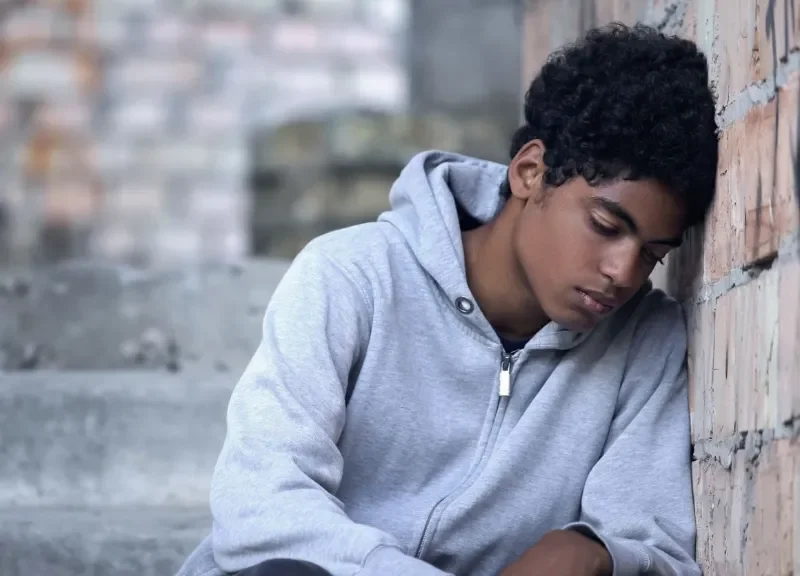
When Emotions Are Overwhelming
If you’re living with anxiety, depression or low mood, it can feel overwhelming and isolating. These challenges often make it harder to focus, engage socially or enjoy the activities that once brought you happiness. For young people, balancing school, friendships and life’s many pressures can be especially tough.
Emotional struggles like these are common but deeply personal, and there’s no one-size-fits-all solution. Recognising the need for support is a powerful first step toward better mental health, and the right tools and guidance can help you regain control and confidence in your daily life.
“Recognising you need support is a strong first step toward feeling more in control of your life.”
David Merrick, MAPS FCCLP

Navigating Relationships and Social Pressures
The teenage and young adult years are a time of self-discovery, and navigating relationships with others can be both rewarding and challenging. Learning to connect, communicate and find your place in the world is no small task.
Bullying, social struggles and a lack of belonging can lead to challenges like low mood, anxiety and school refusal. Neurodivergent youth may face additional difficulties with communication or emotional regulation, which adds complexity to social relationships. Addressing these struggles early helps young people build confidence, forge meaningful connections and thrive in their personal and academic lives.
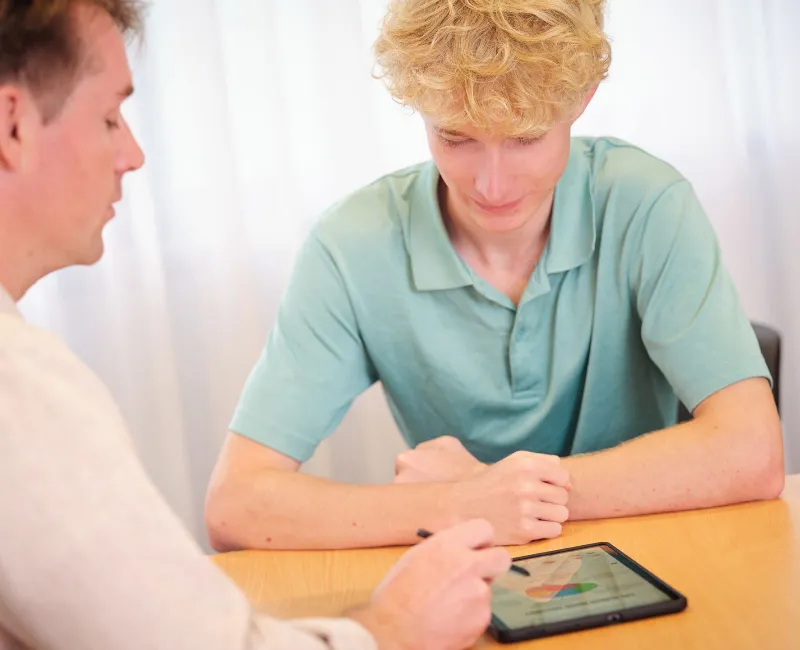
Coping with Tough Choices and Behaviours
Sometimes, emotions and challenges can feel too big to handle. Behaviours like self-harm, suicidal thoughts, substance use or acting out are often ways to cope with overwhelming feelings rather than true desires or intentions. There are healthier paths forward, and therapy can help guide you toward them.
At NextGen Psychology, we work to understand the underlying causes of these behaviours with a solution-focused and empathetic approach. By framing actions in terms of their consequences, we help young people explore what they truly want from their choices without judgment or blame. Guided by the philosophy that ‘none of us can do life alone,’ we encourage reaching out for support as a proactive step toward healing and hope.
FAQs
What kinds of challenges do you help young people with?
We support young people experiencing anxiety disorders, depression and low mood, self-harm and suicidal thoughts, low self-esteem, school refusal, bullying (including cyberbullying), and social difficulties. Our approach is holistic and addresses all concerns with tailored support to build healthy coping strategies, improve self-worth and leave teens feeling happier and more resilient.
How do you approach harmful or risky behaviours?
We approach self-harm and other risky behaviours with empathy and understanding. Our first priority is safety and helping the young person feel heard. We offer a non-judgmental space where they can talk openly about what’s behind the behaviour without fear. From there, we focus on practical ways to cope, like breathing techniques, journaling or creative expression. We also work together to understand what’s really behind the issue, whether it’s trauma, mental ill-health or pressure from life. The goal is to help teenagers feel more in control.
Do you work with neurodivergent young people?
Yes. We have extensive experience working with neurodivergent teenagers, including those on the autism spectrum, with ADHD, dyslexia or other forms of neurodiversity. We understand the additional challenges these young people face and offer tailored support to their needs. We also focus on their strengths and special interests as a way to engage them. Our goal is to provide a space where they feel understood, respected for who they are, and empowered to overcome any mental health challenges that may accompany their neurodivergence.
What can I expect from the first session?
It’s completely normal for young people (and parents) to feel a bit nervous about the first counselling session. Try not to let it become overwhelming. The first session, in particular, is mostly about getting to know you, not jumping straight into problems and challenges. We start by listening and trying to really understand, and there’s never any judgment or pressure. Therapy progresses at a pace that feels right for the individual.
Key Takeaways

Challenges are common but personal
Anxiety, depression, and low mood can feel isolating and affect school, relationships and enjoyment of life.

Social struggles affect wellbeing
Bullying, exclusion, and the demands of fitting in , especially for neurodivergent youth, impact connection.

Behaviours often reflect deeper issues
Self-harm, acting out or withdrawal are usually ways of coping, not deliberate choices to cause harm.

A focus on youth, adults and defence
By understanding what’s driving their experiences, young people can find healthier ways to cope and rebuild confidence.
We Help People Struggling With
We offer a safe and supportive environment to assist Sydney’s youth with issues such as anxiety, depression, bullying, social difficulties, school refusal, self-harm, suicidal thoughts, substance use and disruptive behaviour. Guided by David’s philosophy that ‘none of us can do life alone,’ we encourage a thoughtful and proactive approach to seeking the support everyone deserves.

Anxiety

Depression

Bullying

Social issues

School Refusal

Self Harm

Suicidal Thoughts

Disruptive Behaviour

Substance Abuse

Trauma recovery
Get in touch
Taking the first step toward support can feel overwhelming, but it’s also a decisive demonstration of strength.
At NextGen Psychology, we’re here to listen, offer guidance, and help you or your loved one move forward. Reach out today, and let’s begin a conversation that can bring positive, lasting change.
Suite 2, Level 4
66 Pacific Highway, St Leonards
NSW 2065
66 Pacific Highway, St Leonards
NSW 2065